


If you've ever struggled to get a good night's sleep, you're not alone.
Sleep difficulties are common across Australia, and their impact can extend well beyond feeling tired — affecting concentration, mood, immune function, and long-term health when left unaddressed.
Telehealth offers a practical and accessible way to discuss sleep concerns with a qualified health professional, without the wait times or inconvenience of an in-person clinic visit. A Nurse Practitioner can assess your symptoms, explore contributing factors, and discuss management options that are appropriate for your situation.
How much sleep do you need?

Newborns (0-3 months)
14-17 hours per day.

Toddlers (1-2 years)
11 to 14 hours per day.

School-aged children (6-12 years)
9-12 hours per night.

Teenagers (13-18 years)
8-10 hours per night.

Adults (18-64 years)
7-9 hours per night.

Older adults (65+ years)
7-8 hours per night.
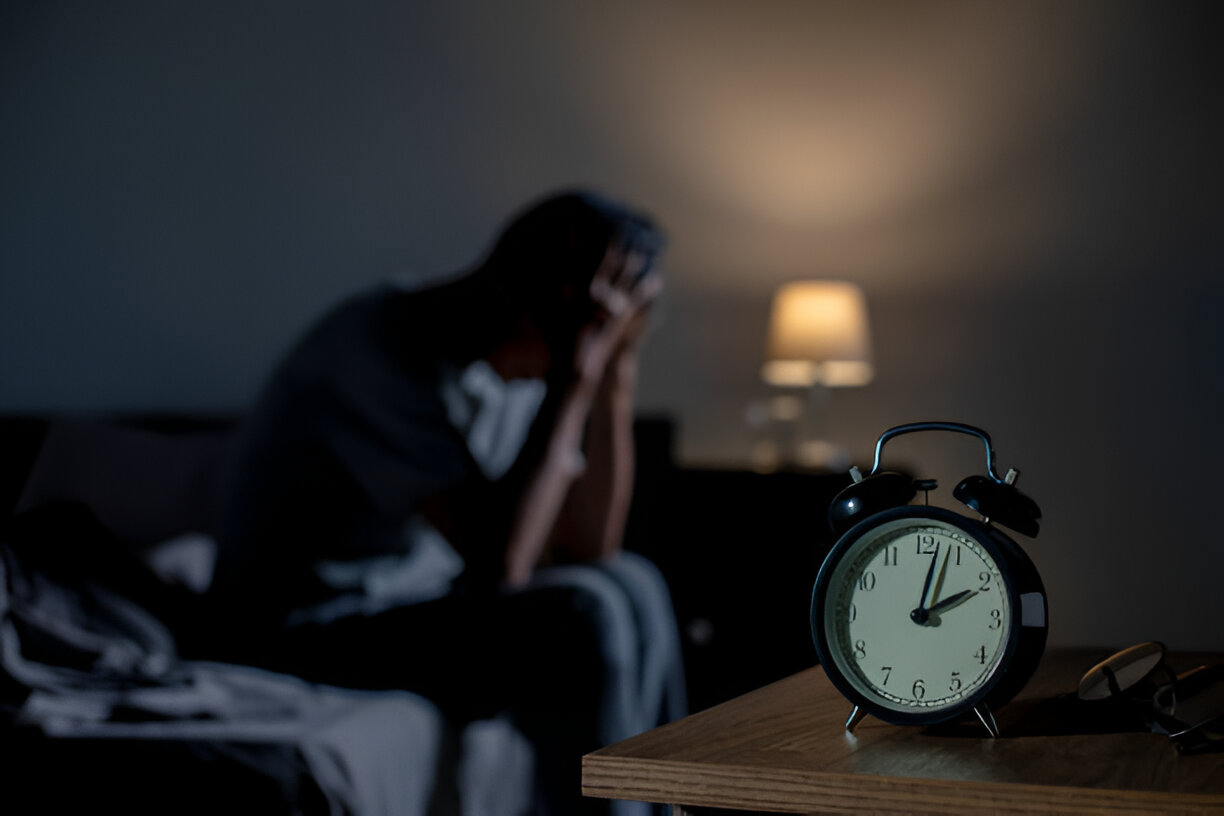
Why Sleep Matters for Your Health
Sleep plays a fundamental role in both physical and mental wellbeing. During sleep, the brain consolidates information and memories, the body repairs tissues, and the immune system is strengthened. Consistently falling short of the recommended amount can have a cumulative impact on how you feel and function day to day.
If you regularly find it difficult to fall asleep, stay asleep, or wake feeling unrefreshed — despite allowing adequate time for sleep — this may be a sign of insomnia or another sleep condition worth discussing with a health professional.
Recognising symptoms of Insomnia
Insomnia is one of the most common sleep disorders. Research suggests it affects a significant proportion of the Australian population at any given time, with estimates varying across studies.
Common symptoms of insomnia include:

Difficulty falling asleep at the start of the night.

Waking during the night and struggling to get back to sleep.

Waking earlier than intended and being unable to return to sleep.

Feeling unrefreshed or unrested after a full night's sleep.

Difficulty concentrating, low energy, or changes in mood during the day.
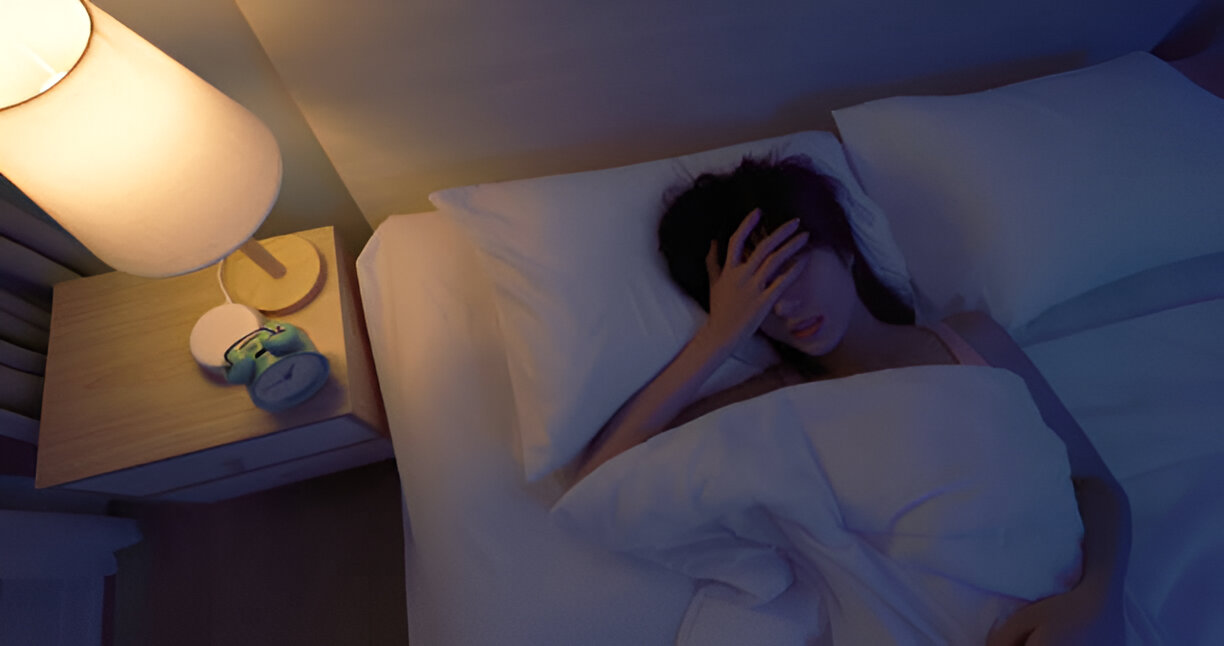
Sleep difficulties are not limited to insomnia. Other commonly experienced sleep conditions include obstructive sleep apnoea (OSA) and restless legs syndrome, each of which can significantly affect sleep quality and overall health. If you are experiencing persistent sleep difficulties, speaking with a health professional is a worthwhile first step.
Why can’t you sleep?
Sleep difficulties rarely have a single cause. Understanding what may be driving your sleep difficulties is an important part of finding the right approach to managing them. A range of factors can contribute to disrupted sleep patterns, including:

Stress or anxiety:
persistent worry, work pressure, or life stressors can make it difficult to switch off at night, keeping the mind active when the body needs to rest.

Lifestyle and sleep habits:
caffeine consumption later in the day, alcohol, irregular sleep schedules, and screen use close to bedtime can all interfere with the body's natural sleep-wake cycle.

Underlying health conditions
conditions such as obstructive sleep apnoea, restless legs syndrome, or chronic pain can directly disrupt sleep quality and duration.

Mental Health
anxiety and depression are closely linked to sleep difficulties and can both cause and worsen insomnia.

Medications
certain medications can affect sleep as a side effect. If you think this may be a contributing factor, speak with your health professional before making any changes.

What happens when you can’t sleep?

Reduced concentration and memory.

Mood swings and increased irritability.

Higher risk of chronic illnesses, such as heart disease, diabetes, and obesity.

A weakened immune system, making you more susceptible to infections.
How to treat Insomnia: why there is no one-size-fits-all solution

Cognitive Behavioural Therapy for Insomnia (CBT-I):
A proven technique that helps change negative thought patterns around sleep.

Medications:
Prescribed in some cases to assist with short-term sleep issues.

Lifestyle changes:
Incorporating regular exercise, maintaining a consistent sleep schedule, and reducing screen time before bed.

How Can Telehealth appointments help with sleep disorders?

Quick access to care:
Speak to a qualified healthcare professional without the need to travel. Many telehealth providers offer appointments within 15 minutes.

Personalised advice:
Receive a tailored treatment plan based on your specific symptoms and needs.

Ongoing support:
Schedule follow-ups to monitor progress, adjust treatments, and ensure optimal results.

Medication access:
Get eScripts for medications for sleep disorders, if deemed necessary. They’ll be sent directly to your phone via Script2U
How Can MyTelehealth Clinic Help?

Same-day eScripts with Script2U:
Get prescriptions for medications that can help you sleep better.

Referrals for sleep studies:
If needed, we can refer you for specialist care or diagnostic tests.

Flexible availability:
Book appointments 7 days a week, from anywhere in Australia.

Why choose Telehealth for sleep issues?
Telehealth offers several practical advantages over traditional clinic visits when it comes to addressing sleep concerns:

Reduced waiting times:
Speak to a medical professional like a Nurse Practitioner in as little as 15 minutes.

Convenience:
Access care from the comfort of your home, without needing to travel.

Privacy:
Discuss your health concerns in a secure and confidential environment.

Accessibility:
Ideal for individuals in rural or remote areas who may struggle to reach a physical clinic.
Take control of your sleep health today
Frequently Asked Questions about Treating Sleep Problems
Further Reading
To learn more about sleep disorders and the statistics cited in this article, you can explore the following sources:
- Read more about insomnia on Healthdirect Australia.
- Deloitte Access Economics. (2021). Provides comprehensive data on the prevalence of sleep disorders in Australia available at https://www.deloitte.com/au/en/services/economics/analysis/rise-try-to-shine.html
- Table of Sleep Recommendations per age group is available at https://www.sleephealthfoundation.org.au/sleep-topics/how-much-sleep-do-you-really-need
- Adams, R. J., Appleton, S. L., Taylor, A. W., McEvoy, R. D., & Antic, N. A. (2017). Wake up Australia: The value of healthy sleep. Adelaide Institute for Sleep Health, Flinders University available at https://www.sleephealthfoundation.org.au