


You may notice the new My Telehealth Clinic logo. Our brand may be evolving, but our modern, trusted medical care from our AHPRA registered clinical team remains the same.

You may notice our new logo. Our brand may have evolved, but our modern, trusted medical care from our AHPRA registered clinical team remains the same.

How Telehealth Can Help with Skin Health Concerns

Telehealth is changing the way Australians access skin care, making it easier than ever to get expert advice without leaving home

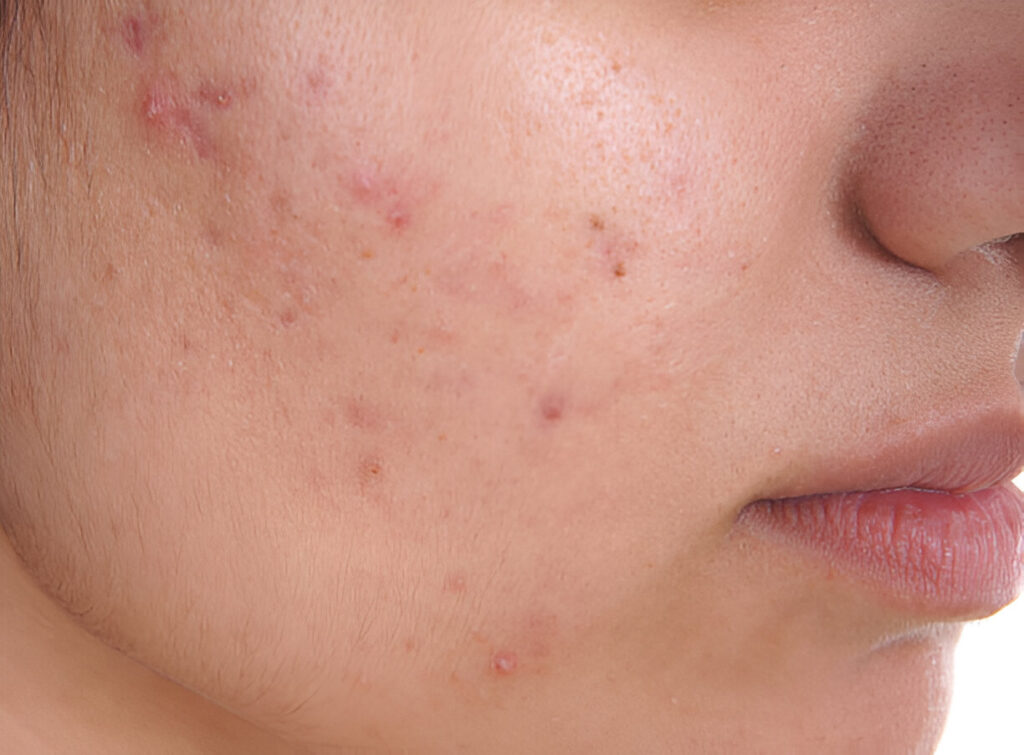
Whether it’s acne, eczema, or rosacea, telehealth offers a practical and accessible way to address many common skin health concerns. Using clear photos and video or phone consultations, AHPRA-registered Nurse Practitioners can assess a range of conditions, recommend appropriate treatments, and prescribe medications where clinically indicated.

For many Australians — particularly those in regional and rural areas where specialist access is limited — waiting weeks for an in-person dermatology appointment is a genuine barrier to timely care. Telehealth removes that barrier for a wide range of skin concerns, connecting you with a qualified Nurse Practitioner from wherever you are. So how does it work, and what can you expect from a virtual skin consultation?

What happens in a Telehealth Skin Consultation?

Before the Consultation

Getting the most from a telehealth skin consultation begins before your appointment. There are a few simple things you can do to help your Nurse Practitioner conduct as thorough an assessment as possible.

Take clear photos of the affected area using natural lighting, and capture multiple angles and close-up shots where possible. Image quality can make a meaningful difference to the accuracy of a remote skin assessment.

You should also be ready to describe your symptoms clearly — when they started, what makes them better or worse, and any treatments you have already tried, including over-the-counter products or previous prescriptions.

Once you have your photos ready and your details noted, you can submit your information and book your telehealth appointment through mytelehealthclinic.com.au

During the Consultation

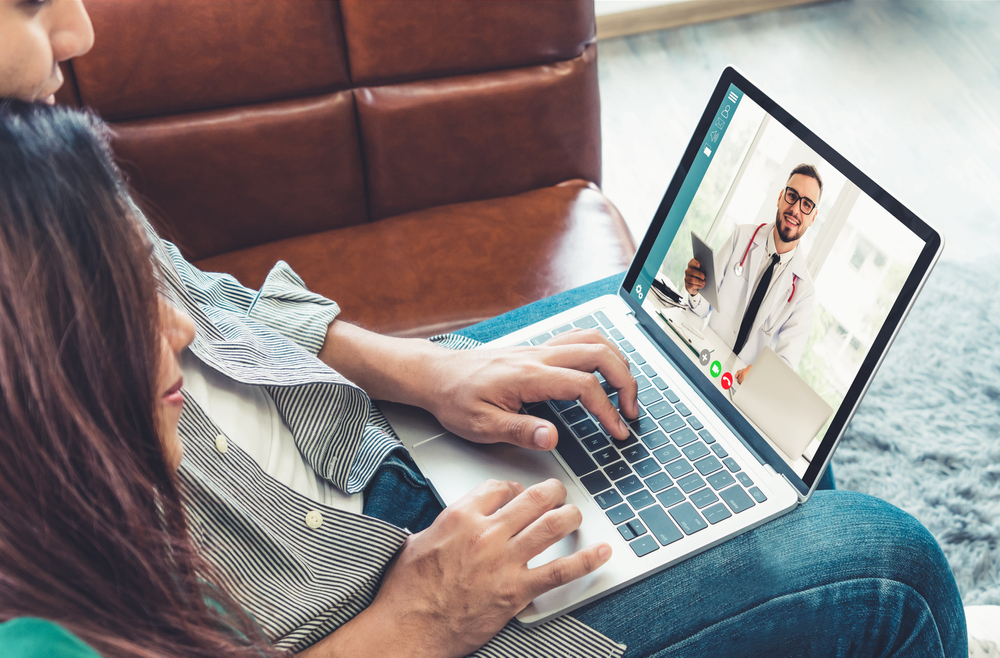
At the scheduled time, a Nurse Practitioner will connect with you by phone or video call. They will review your photos, ask follow-up questions, and conduct a clinical assessment to build a clear picture of your condition.

Following the assessment, your Nurse Practitioner will discuss their findings with you and recommend a management plan where appropriate. Depending on your situation, this may include:

  • A prescription, which can be sent directly to your preferred pharmacy if medication is clinically indicated.
  • Over-the-counter treatment recommendations.
  • Advice on adjustments to your skincare routine.
  • A referral for in-person review or specialist assessment if your condition requires it.


Follow-up care can also be managed through telehealth for many skin conditions. Checking in, tracking progress, and adjusting a treatment plan over time can often be done remotely — reducing the need for repeated in-person visits where clinically appropriate.

If your condition requires physical examination, biopsy, or a procedure that cannot be performed remotely, your Nurse Practitioner will advise you and help arrange the right care.

How to Decide What’s Best for You

Common Skin Conditions Assessed via Telehealth

Telehealth is suited to a wide range of common skin concerns, from acne and eczema to rashes, infections, and hair loss. The table below outlines conditions frequently assessed through telehealth consultations and how a Nurse Practitioner may be able to help.

ConditionHow Telehealth Helps
AcneAssessment, skincare advice, lifestyle recommendations, and prescription treatments where clinically appropriate
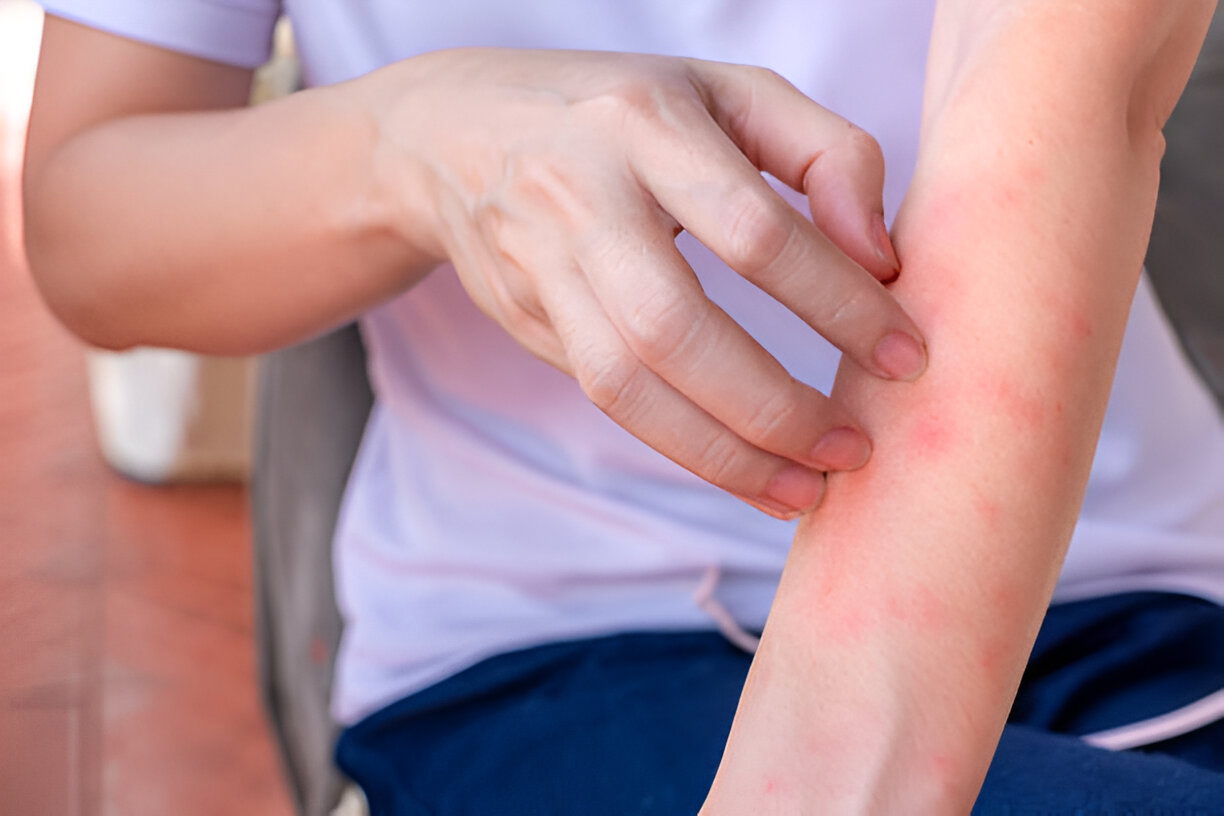
Eczema/PsoriasisFlare-up management, prescription creams, and trigger identification
RosaceaSkincare guidance, trigger avoidance, and prescription options where clinically appropriate
Contact DermatitisClinical assessment, discussion of potential triggers, and treatment planning
Skin InfectionsAssessment of bacterial or fungal infections and prescriptions where clinically appropriate
Hair LossInitial assessment, treatment recommendations, and specialist referrals where required

With so many conditions treatable via telehealth, it’s no wonder more Australians are opting for virtual consultations over traditional in-person visits. But what’s driving this shift, and why are so many people turning to online skin care solutions?

Why are Australians choosing Telehealth for Skin Care?

1. Convenience & Accessibility

Waking up with a new rash or a worsening skin condition and being unable to get a same-day appointment is a frustration many Australians know well. Telehealth offers a practical alternative, with a consultation that can often be accessed within hours, without needing to travel or take time away from work or family.

  • No need to travel to a clinic — consultations are available from anywhere with a phone or internet connection.
  • Faster access than traditional dermatology pathways, which can involve lengthy wait times.
  • Available seven days a week, from 8am–9pm weekdays and 8am–6pm weekends (AEST), fitting around busy schedules. For many Australians — particularly those in regional areas or with limited clinic access — telehealth removes real barriers to seeking timely skin care.
  • 2. Affordable and Cost-Effective

    Accessing a dermatologist in Australia can be expensive and often involves a long wait. Telehealth offers a more accessible alternative for many common skin concerns. A consultation at My Telehealth Clinic is $39.95 for a standard 15-minute appointment — with no travel costs, no parking fees, and no need to take time off work. There are also no hidden fees; payment is only processed after your consultation is complete. Note: Medicare rebates are not currently available for most consultations at My Telehealth Clinic following changes to telehealth eligibility rules effective 1 November 2025. Limited exceptions may apply — speak with your Nurse Practitioner to understand your individual eligibility.

    3. Expert Skin Assessments Without Leaving Home

    Concerned that a virtual consultation won't be as thorough as an in-person visit? For many common skin conditions, a telehealth assessment can be highly effective — particularly when clear, well-lit photos are provided ahead of time. High-quality images give your Nurse Practitioner enough detail to conduct a meaningful clinical assessment of many skin conditions. Nurse Practitioners can assess and manage a wide range of skin concerns remotely, and will refer you for in-person review if your condition requires it. If a prescription is needed, it can be sent directly to your preferred pharmacy — reducing delays in starting treatment. For conditions that do require hands-on examination, biopsy, or specialist procedures, your Nurse Practitioner will advise you and help arrange appropriate in-person care.

    4. Fast Prescription Access

    If your Nurse Practitioner determines that medication is clinically appropriate, your prescription can be arranged promptly at the end of your consultation — no separate trip to a GP required. My Telehealth Clinic offers two convenient options for receiving your prescription:

  • Script2U delivery — your medication can be dispensed and delivered directly to your door.
  • Digital prescription (QR code) — a QR code is sent to you by SMS, which you can take to your preferred local pharmacy to have your prescription filled. Having fast access to treatment can make a real difference when managing a skin condition — particularly for flare-ups or infections where starting treatment promptly matters.

  • When should you use telehealth for skin concerns?

    Telehealth works best for:

    Mild to moderate acne, eczema, psoriasis, or rosacea.

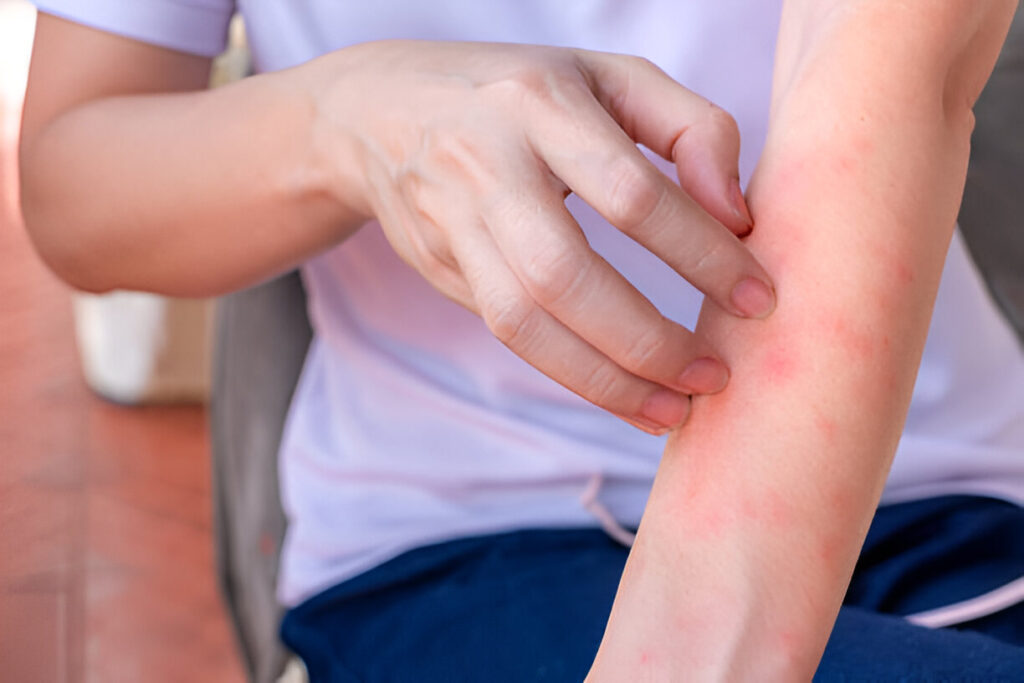
    Rashes, minor infections, or allergic skin reactions.

    Prescription renewals and skincare treatment adjustments.

    When you might need an in-person visit:

    If a biopsy or physical skin examination is necessary.

    Rapidly spreading infections that need immediate intervention.

    Complex conditions that require specialist procedures.
    You don’t have to make this decision on your own. A telehealth consultation can help determine whether an in-person visit is truly necessary.

    • Often, what seems urgent may be manageable remotely, while other conditions may require further testing.
    • A Nurse Practitioner can provide guidance, reassurance, and referrals where appropriate—ensuring you get the care you need, in the right setting.

    For most everyday skin concerns, telehealth is a highly effective option. But to get the most out of your consultation, a little preparation goes a long way.

    How to Prepare for a Virtual Skin Consultation

    Want to know how you can get the most out of the telehealth appointment? Before your appointment think about the following things:

    1. Take Clear Photos:

    Use natural lighting and ensure the images are sharp and close-up.

    2. Describe Your Symptoms:

    When did they start? What makes them better or worse?

    3. Have Your Medical History Ready:

    Include past treatments and allergies.

    4. Ensure a Stable Internet Connection:

    This reduces disruptions during your appointment. A poor internet connection can lead to lagging video, blurry images or a dropped call – which makes it difficult for your medical professional to fully help you. To maximise your chances of a successful appointment, try these simple steps:

    • Use Wi-fi instead of your mobile phone data as Wi-Fi is usually more reliable than mobile phones for video calls
    • Stay close to the Internet box (router) to maximise the strength of the Wi-Fi signal
    • Limit other internet use during your appointment – if you have other devices in your home streaming videos, playing games or downloading large files this can slow down your Internet and affect your appointment. Ask others to pause heavy internet use during your consultation

    5. Find a Private Space:

    A well-lit, quiet room allows for a smooth consultation.

    Following these simple steps can help ensure you get the most accurate diagnosis and the best possible care.